Gluten Free Beef Bulgogi
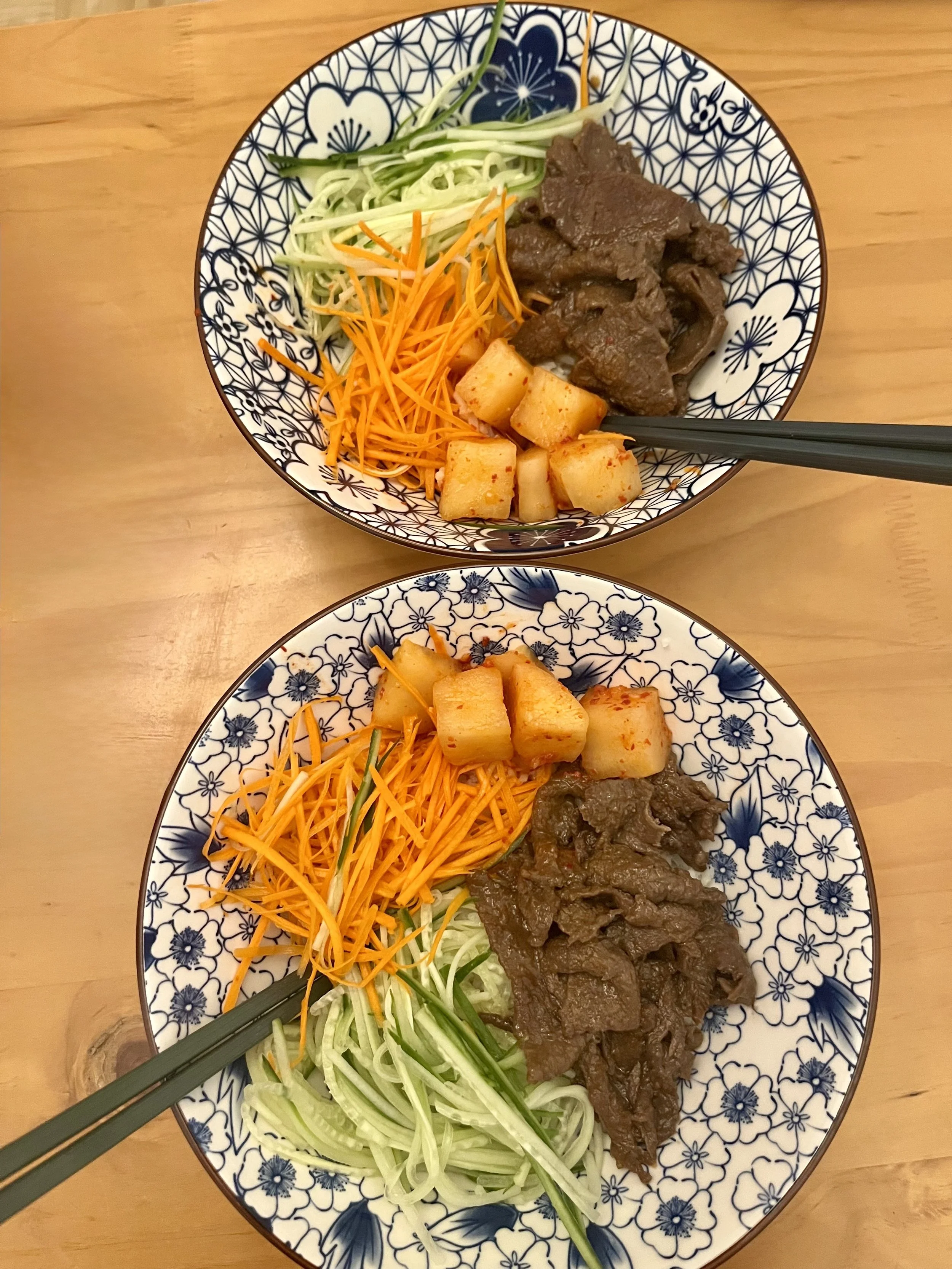
If there is one thing that will instantly bring back memories of traveling through Asia or wandering through late-night street food markets, it is the mouthwatering aroma of caramelized, sizzling beef bulgogi. But as anyone living with Celiac disease knows, traditional Korean BBQ is essentially a minefield of hidden wheat—mainly thanks to standard soy sauce and wheat-based gochujang paste.
When you get diagnosed at 22, one of the hardest adjustments is realizing how many world flavors suddenly feel off-limits. You miss the ease of grabbing takeout or ordering street food without having to quiz the server on shared prep surfaces, hidden marinades, or separate cookware. But being symptomatic means cross-contamination is not something to gamble on. Truly, there was nothing sadder than when I landed in South Korea (after my diagnosis) and realized all my favorite Korean dishes were off limits. I actually, literally, cried at a food market in Korea. More on that in my travel section… but at home, safety always comes first without giving up bold, incredible and truly authentic flavor!
This Gluten Free Beef Bulgogi gives you all of that classic, savory-sweet, Umami-rich Korean BBQ magic right in your own kitchen. By making simple, certified gluten-free swaps for the soy sauce and chili paste, you get tender, paper-thin ribbon slices of ribeye that sear in minutes without any risk of getting glutened. Oh and the secret ingredient no one told you about…pear!
The Secret to Celiac-Safe Bulgogi
Recreating authentic international dishes safely at home is one of the best ways to keep your wanderlust alive between trips. However, bulgogi marinade relies heavily on two specific ingredients that usually contain gluten:
Soy Sauce: Standard soy sauce is brewed with wheat. To keep this 100% gluten-free, always use certified gluten-free tamari or gluten-free reduced-sodium soy sauce.
Gochujang (Korean Red Chili Paste): Traditional commercial gochujang is almost always made with wheat flour or barley malt syrup. Look specifically for certified gluten-free gochujang (brands like Wholesome Gochujang or certified GF Korean chili pastes are available online and in specialty markets). If you cannot source a certified GF gochujang, a mix of certified GF sriracha with a tiny splash of gluten-free tamari and brown sugar works as a quick swap!
Cross-Contamination & Kitchen Safety Tips
Dedicated Cutting Boards: When prepping fresh garlic, ginger, and fruit, ensure your prep station and cutting boards haven't been in contact with flour or wheat bread.
Check Your Condiments: Double-check every bottle (soy sauce and gochujang especially) to verify it carries a clear gluten-free label or certification.
Clean Skillet or Pan: Use a thoroughly cleaned cast-iron grill pan or skillet to avoid any leftover residue from non-GF cooking.
Why the Pear Works Magic
The key to traditional bulgogi isn't just the marinade—it's the natural tenderizer! Freshly grated pear contains natural enzymes that break down the muscle fibers in the steak, turning ribeye into melt-in-your-mouth strips of beef. Combined with dark brown sugar, garlic, fresh ginger, and toasted sesame oil, it creates a glaze that caramelizes gorgeously against a hot pan. If you are lucky enough, like me, to have an Asian grocery store nearby (like HMART!!!!), you can buy thinly sliced ribeye too.
Pro Tip for Paper-Thin Slices: Wrap your ribeye steak in plastic wrap and pop it in the freezer for 30 minutes before slicing. Firming up the meat makes it super easy to cut paper-thin, 1/4-inch slices across the grain!
Ingredients
For the Steak & Marinade:
1 ½ pounds boneless ribeye steak
½ small pear, peeled and coarsely grated
¼ cup reduced-sodium gluten-free soy sauce (or gluten-free tamari)
2 tablespoons brown sugar
2 tablespoons toasted sesame oil
3 cloves garlic, minced
2 green onions, thinly sliced
1 tablespoon freshly grated ginger
1 tablespoon certified gluten-free gochujang (Korean red pepper paste - be careful here to make sure it’s certified or labeled GF)
For Cooking & Serving:
2 tablespoons vegetable oil, divided
1 teaspoon toasted sesame seeds
Step-by-Step Instructions
Step 1: Prep & Slice the Ribeye
Wrap the boneless ribeye steak in plastic wrap and place it in the freezer for 30 minutes to firm up. Unwrap the beef and slice across the grain into 1/4-inch thick slices.
Step 2: Mix the Marinade
In a medium bowl, whisk together the grated pear, gluten-free soy sauce, brown sugar, toasted sesame oil, minced garlic, grated ginger, and gluten-free gochujang until smooth and combined.
Step 3: Marinate the Beef
Place the sliced steak into a gallon-size Ziploc bag or sealable container and pour the marinade mixture over top. Seal tightly, squeezing out excess air, and massage to coat every piece. Marinate in the refrigerator for at least 2 hours, or overnight for maximum flavor, turning occasionally.
Step 4: Sear to Perfection
Heat 1 tablespoon of vegetable oil in a heavy cast-iron grill pan or large cast-iron skillet over medium-high heat. Working in batches so you don't overcrowd the pan, arrange the steak in a single layer. Cook without moving for 1–2 minutes until a dark char forms, flip, and cook for another 1–2 minutes until cooked through and caramelized. Repeat with the remaining tablespoon of vegetable oil and remaining steak.
Step 5: Garnish and Serve
Transfer the sizzling beef to a platter and serve immediately, garnished generously with thinly sliced green onions and toasted sesame seeds.
What to Serve with Gluten Free Bulgogi
Turn this into a full Korean BBQ feast at home! It pairs perfectly with:
Steamed Jasmine Rice: To soak up all that extra sweet and savory marinade sauce. This is my go-to.
Certified Gluten-Free Kimchi or Pickled/Kimchi Radish: Check labels carefully to ensure no wheat-derived fish sauce or hidden thickeners were used.
Shredded Carrot, Cucumber or any other veggies of choice - but those are my personal favorites
Butter Lettuce Cups: Wrap a slice of beef, rice, and fresh cucumber slices into a crisp lettuce leaf for a fresh bite.